The Budapest Neighborhoods Where Expats Thrive (And the ones to Avoid at All Costs)
Introduction: Finding Your Perfect Budapest Neighborhood
Picture this: you’re sipping a cortado at a sunlit café along Andrássy Avenue, your laptop open, the distant hum of trams blending with Hungarian chatter. Your rent? Less than half what you’d pay in Berlin or Amsterdam. Welcome to Budapest—Central Europe’s most compelling expat destination, where Old World charm meets digital nomad paradise.
Budapest has become a magnet for expats in recent years, and it’s easy to see why. The city combines affordable living costs with vibrant culture and strong digital infrastructure, attracting more remote workers and young professionals post-pandemic. But here’s what the glossy travel blogs won’t tell you: not all Budapest neighborhoods are created equal. Some districts pulse with international energy and modern amenities, while others remain isolated pockets where English is rare and infrastructure lags decades behind.
Whether you’re a digital nomad chasing café culture and coworking spaces, a family seeking green parks and international schools, or a retiree drawn to thermal baths and architectural splendor, choosing the right neighborhood is crucial. Get it right, and you’ll enjoy an enviable quality of life at a fraction of Western European costs. Get it wrong, and you might find yourself dealing with petty crime, poor transport connections, or the soul-crushing isolation of a district where expat life simply doesn’t exist.
This guide cuts through the hype with a clear, local‑minded look at Budapest expat neighborhoods—where to live, where to think twice, and what it all costs. We rank and describe areas using five criteria expats actually care about:
- Cost of Living: typical one‑bed and two‑bed rents, plus affordability vs. “true center.”
- Vibe: feel on the street—creative, family‑friendly, upscale, studenty—and who actually lives there.
- Expat‑Friendliness: English usage, co‑working/cafés, community presence.
- Safety: overall safety is good by EU capital standards, but petty theft and late‑night noise vary by district.
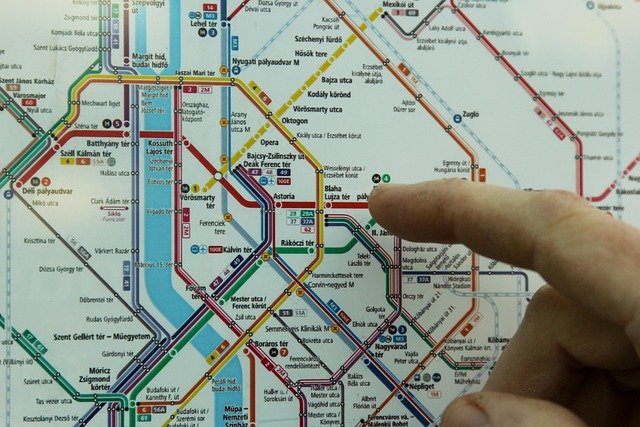
- Connectivity & Amenities: metro/tram coverage, parks, supermarkets, schools, and commute times.
Quick city snapshot (2025): A monthly transit pass runs roughly 9,000–10,500 HUF, and crime is rated low‑to‑moderate compared with other capitals; rents are up since 2023 but remain below Western Europe
Let’s find your perfect Budapest home.
The 10 Best Budapest Neighborhoods for Expats
1. District V (Belváros-Lipótváros): The Prestigious Heart
🏘️ Where diplomats meet digital nomads in Budapest’s most elegant quarter
The Vibe
District V is the historic, central business hub of Budapest, home to government buildings, embassies, and corporate headquarters. Think grand boulevards, riverside promenades along the Danube, and that unmistakable European capital energy. This is where you’ll find Parliament, luxury hotels, and professionals power-walking to morning meetings.
Cost of Living
A one-bedroom apartment here runs around 320,000 HUF ($890) monthly, while two-bedrooms hit 440,000 HUF ($1,220). Yes, it’s Budapest’s priciest district, but still remarkably affordable compared to similar central locations in Vienna or Munich.
Best For
Young professionals working in finance or diplomacy, executives wanting prestige without London prices, and anyone who values walkability and being at the center of everything.
Pros:
- Unbeatable location—everything is walkable
- Excellent transit connections with metro lines M1, M2, and M3 converging here
- High expat density with international cafes and bars
- Safe streets, well-maintained infrastructure
- Cultural attractions at your doorstep
Cons:
- Most expensive district in Budapest
- Tourist crowds, especially near major landmarks
- Generally safe but targeted for pickpocketing in tourist zones
- Limited green space
- Can feel overly polished and touristy
Local Tip: The southern end of District V, near Fővám tér, offers slightly lower rents while keeping all the connectivity benefits. Plus, you’re steps from the Great Market Hall—Budapest’s culinary soul.
2. District VI (Terézváros): The Cultural Powerhouse
🏘️ Culture‑rich, café‑dense, and central—Budapest’s “Parisian” mile.
The Vibe
District VI is Budapest’s cultural hub, featuring theaters, concert halls, and the iconic Andrássy Avenue. This is where culture vultures and creatives gravitate—Opera House premieres, bookshop cafés, and that intangible artistic energy that makes a neighborhood feel alive.
Cost of Living
One-bedroom apartments average 260,000 HUF ($675), with two-bedrooms at 350,000 HUF ($900). Solid value for such a central, vibrant location.
Best For
Young professionals, creatives, culture enthusiasts, and anyone who wants urban energy without the tourist circus of District V.
Pros:
- Central location with excellent metro and tram connections
- Strong international presence and gentrifying with new eateries
- Incredible dining and nightlife scene
- Beautiful architecture along Andrássy Avenue
- Walkable to most major attractions
Cons:
- Can be noisy, especially at night
- Parking is challenging
- Some areas feel overly gentrified
- Moderate safety with busy streets but watch for petty crime
Local Tip: The area around Oktogon can get rowdy on weekends. Side streets around Liszt Ferenc tér pack great lunch menus without the Opera‑District price premium.
3. District VII (Erzsébetváros): The Bohemian Playground
🏘️ Ruin pubs, startup energy, and the beating heart of Budapest’s nightlife
The Vibe
District VII is hip, bohemian, and famous for its nightlife and ruin pubs in the Jewish Quarter. This is Budapest at its most eclectic—street art-covered walls, vintage shops, spontaneous music sessions in courtyards, and an unapologetically creative spirit. It’s LGBTQ+ friendly and popular with digital nomads and Erasmus students.
Cost of Living
Expect to pay around 250,000 HUF for a one-bedroom and 330,000 HUF for a two-bedroom. Reasonable for such a lively, central area.
Best For
Digital nomads, students, creatives, nightlife lovers, and anyone under 35 who wants to be where things are happening.
Pros:
- Very international atmosphere with a thriving startup scene
- Excellent connectivity
- Unmatched nightlife and social opportunities
- Growing café culture with boutique hostels and coworking spaces
- Strong sense of community among expats
Cons:
- Noise is significant, especially on weekends
- Moderate safety with nightlife-related petty crime
- Tourist crowds, especially during peak season
- Can feel chaotic and overwhelming
- Not ideal for families or light sleepers
Local Tip: Live just east of Király utca (toward Dob/Wesselényi) for the vibe with fewer 3am bottle‑clinks. Invest in good earplugs, though.
4. District XIII (Angyalföld/Újlipótváros): The Modern Family Favorite
🏘️ Where safety meets sophistication along the Danube – Pest’s expat family favorite
The Vibe
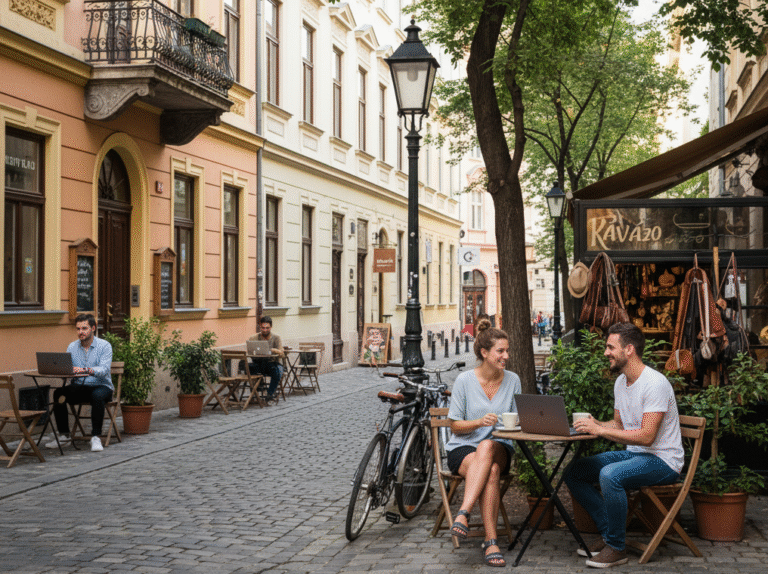
District XIII is residential, modern, and features riverside parks. Think wide boulevards, contemporary apartment buildings, and young families pushing strollers through tree-lined streets. It’s known as one of Budapest’s safest districts, with a calm, orderly atmosphere that appeals to professionals and families alike.
Cost of Living
One-bedrooms average 210,000 HUF, with two-bedrooms at 320,000 HUF. Excellent value considering the quality of life and safety profile.
Best For
Expat families, professionals working in the nearby business district, and anyone prioritizing safety and modern amenities over nightlife.
Pros:
- One of Budapest’s safest districts
- Metro M3 access with close proximity to business districts
- Large expat communities and growing family amenities
- Modern apartments with good facilities
- Excellent transport, shopping, and green parks
Cons:
- Less “old Budapest” architectural charm
- Limited nightlife compared to central Pest
- Can feel somewhat sterile and corporate
- Fewer independent cafés and restaurants
Local Tip: The Újlipótváros section (southern part of District XIII) offers more character and charm, with Art Nouveau buildings and a strong local community. It’s where Hungarian intellectuals traditionally lived.
5. District IX (Ferencváros): Great Market Hall to Semmelweis
🏘️ Urban renewal meets university energy along the Danube
The Vibe
District IX is experiencing urban renewal, offering riverside access and student-friendly energy. This is Budapest’s transformation story in action—former industrial areas converted to trendy offices, new green spaces emerging, and a palpable sense of momentum. The district is university-driven with diverse residents.
Cost of Living
One-bedrooms run about 200,000 HUF, while two-bedrooms cost around 300,000 HUF. Outstanding value for a district this well-connected and improving.
Best For
Students, young professionals, and expat families looking for good value in an emerging neighborhood with growth potential.
Pros:
- Excellent affordability
- Superb connectivity with metro, trams, and airport links
- New developments and expanding green spaces
- Direct access to the Danube
- Improving safety profile
Cons:
- Some areas still less polished than central districts
- Need to watch for pickpockets in certain areas
- Uneven development—blocks can vary significantly
- Less established expat community than Districts V-VII
Local Tip: Focus on the areas near Boráros tér or along the river. The further south you go toward Közvágóhíd, the rougher it gets. The northern sections near Corvinus University are increasingly desirable. Furthermore, the Bakáts tér area offers mellow cafés and leafier streets a short hop from the bustle.
Find out exactly what ATS scanners see.
6. District I (Castle District): The Historic Jewel
🏘️ Living inside a UNESCO World Heritage Site. Postcard‑pretty, secure, and slow after dark.
The Vibe
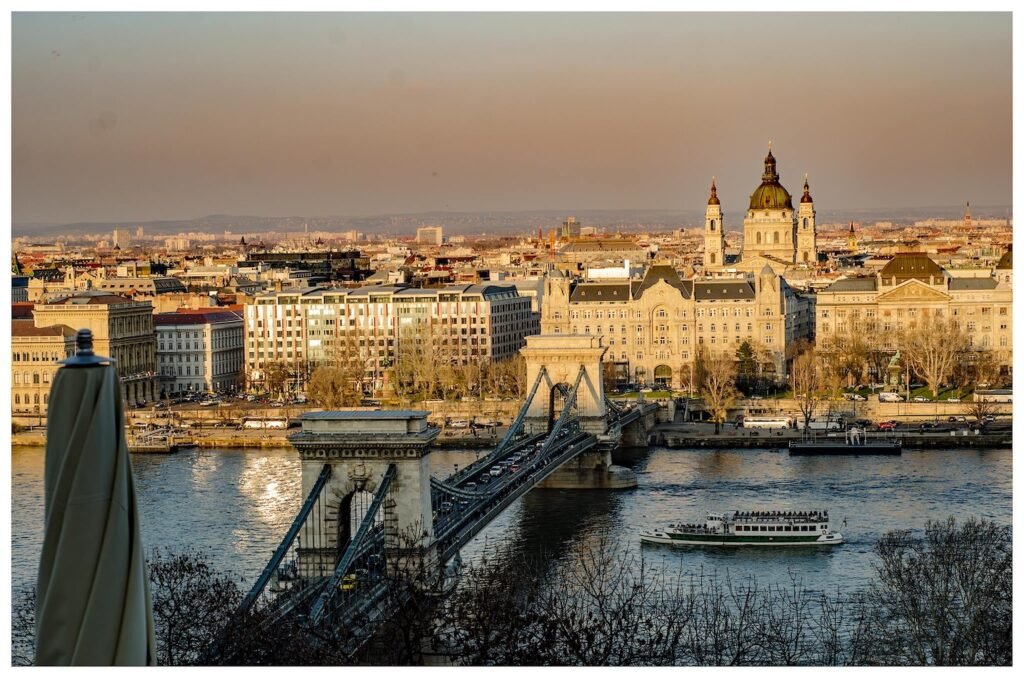
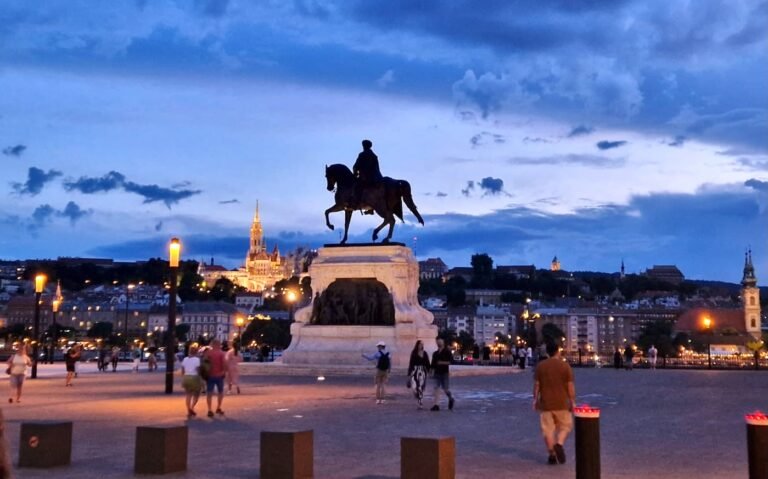
District I is historic, charming, and touristy, centered around the famous Buda Castle. Cobblestone streets, medieval architecture, and million-dollar Danube views define this area. It’s Budapest’s most picturesque district, but also one where daily life means navigating tourist groups.
Cost of Living
Expect to pay around 300,000 HUF for a one-bedroom and 400,000 HUF for a two-bedroom. Premium pricing for premium location and views.
Best For
Affluent expats, retirees, diplomats, and romantics willing to trade nightlife for tranquility and historic ambiance.
Pros:
- Very safe with stunning views and historic surroundings
- Peaceful atmosphere away from urban noise
- Unparalleled beauty and prestige
- Good bus and tram connections
- Cultural attractions everywhere
Cons:
- Expensive with limited metro access
- Not lively at night
- Constant tourist presence
- Limited grocery stores and practical amenities
- Fewer restaurant and nightlife options
Local Tip: If you love the Castle District’s vibe but want more local authenticity, consider the Víziváros (Watertown) section at the base of Castle Hill. Similar charm, better practicality, slightly lower prices. Moreover, early Sunday walks on Tóth Árpád sétány deliver castle‑wall views minus tour groups.
7. District II (Rózsadomb & Pasarét): The Green Elite
🏘️ Embassy row meets family paradise in Budapest’s hills. Leafy prestige with international schools.
The Vibe
District II is leafy, upscale, hilly, and home to numerous embassies. This is where diplomats, executives, and wealthy locals escape the urban buzz. Tree-lined streets, spacious villas, clean air, and that unmistakable sense of arriving somewhere refined.
Cost of Living
One-bedrooms start at 300,000 HUF, with two-bedrooms reaching 500,000 HUF. Premium district with premium prices, though still reasonable by international standards.
Best For
Diplomat families, expat executives, and families prioritizing international schools and green space over urban convenience.
Pros:
- Excellent safety and air quality
- International schools and embassy community
- Abundant green spaces and tranquility
- Prestigious addresses
- Family-friendly with low crime
Cons:
- Far from nightlife and urban energy
- Bus and tram-dependent with longer commutes
- Car often necessary
- Expensive compared to other Budapest districts
- Can feel isolated if you prefer urban living
Local Tip: The Pasarét section offers slightly more affordability while maintaining the district’s prestigious feel. You’re also closer to excellent hiking trails in the Buda Hills. Furthermore, Millenáris Park and nearby markets are a weekend ritual for many Buda families.
8. District XI (Újbuda): The Dynamic Middle Ground
University‑tech vibe with parks and M4—great value across the river.
The Vibe
District XI is dynamic, home to universities, tech companies, and green spaces. This diverse district successfully blends residential calm with commercial energy—student areas near BME University, tech offices in Infopark, and quiet family neighborhoods around Gellért Hill.
Cost of Living
One-bedroom apartments cost approximately 200,000 HUF, with two-bedrooms at 310,000 HUF. Excellent affordability for the amenities offered.
Best For
Students, tech workers, expat families, and budget-conscious professionals who want space without sacrificing connectivity.
Pros:
- Affordable with diverse neighborhoods
- Metro M4 and multiple tram lines provide excellent connectivity
- Growing expat scene around tech hubs
- Green parks and proximity to Danube bridges
- Good schools and family amenities
Cons:
- Some industrial zones and heavy traffic in places
- Large district with inconsistent character
- Parts feel disconnected from central Budapest
- Limited architectural charm compared to central Pest
Local Tip: The area around Móricz Zsigmond körtér offers the best balance—vibrant local life, good transport, reasonable prices, and proximity to Gellért Hill’s thermal baths.
9. District XII (Hegyvidék): The Affluent Escape
Where Buda’s hills meet luxury living. Budapest’s high‑air‑quality refuge.
The Vibe
District XII is affluent, hilly, green, and dotted with villas. This is suburban Budapest at its most refined—winding roads through forest, modern houses with gardens, and that precious commodity: clean air and silence.
Cost of Living
One-bedrooms average 310,000 HUF, with two-bedrooms at 440,000 HUF. Premium prices for premium lifestyle.
Best For
Families, diplomats, retirees, and anyone prioritizing air quality and tranquility over urban convenience.
Pros:
- Excellent safety and air quality
- International schools nearby
- Sustainable housing developments
- Nature access with hiking trails
- Quiet, peaceful living
Cons:
- Significant commute to central Budapest
- Expensive relative to other districts
- Bus and tram-dependent transport
- Limited local amenities—car often necessary
- Isolated feel if you’re young and social
Local Tip: Consider the areas near Széll Kálmán tér for easier access to the city center while still enjoying XII district’s green advantages. You get metro access without sacrificing the hills entirely.
10. District III (Óbuda-Békásmegyer): The Budget-Friendly Surprise
Historic Óbuda meets affordable riverside living
The Vibe
District III blends historic Óbuda charm with suburban, riverside living. This large district offers surprising diversity—ancient Roman ruins in Óbuda proper, communist-era housing blocks, and new riverside developments. It’s Budapest’s affordable alternative with character.
Cost of Living
One-bedroom apartments run around 190,000 HUF, with two-bedrooms at 275,000 HUF. Budapest’s best value proposition for those willing to live outside the hypercentral districts.
Best For
Budget-conscious expat families, remote workers who don’t need to commute daily, and retirees seeking affordability and space.
Pros:
- Excellent value with more space for your money
- Good safety profile
- New riverside parks and green areas
- Suburban trains, trams, and buses provide connectivity
- Historic sections with authentic local character
Cons:
- Farther from city center activities
- Mixed building quality, especially in older housing estates
- Mixed expat presence—less established than central districts
- Some areas feel Soviet-era drab
- Longer commute times to central workplaces
Local Tip: Focus on areas near the HÉV suburban rail line for better connectivity. The Békásmegyer section offers newer housing, while Óbuda proper has more character and history.
5 Budapest Neighborhoods Expats Should Think Twice About
Not every Budapest district suits expat life. These five areas present challenges that typically outweigh their benefits for international residents.
1. District VIII (Józsefváros): The Controversial Core
Why It’s Problematic
District VIII, especially the outer parts, has historically higher crime rates, rundown buildings, and drug-related issues. Petty theft is common, and infrastructure investment has lagged behind other districts.
The Magdolna Quarter (Magdolna-negyed) particularly struggles with social problems. While gentrification is happening near Corvin-negyed and along the main boulevards, much of the district remains rough around the edges.
Who Might Still Consider It
Students near Corvin-negyed area and artists seeking cheap rent sometimes choose VIII district for its affordability and proximity to universities. The gentrifying sections can work if you’re street-smart and budget-focused.
2. District X (Kőbánya): The Industrial Outpost
Why It’s Problematic
District X is industrial with limited amenities and perceived as unsafe at night. Few expat services, pollution concerns, and public transport gaps make daily life challenging. This is where Budapest shows its working-class, industrial side—without the gentrification or international infrastructure that makes other districts expat-friendly.
Who Might Still Consider It
Factory workers and low-budget renters willing to sacrifice convenience for extremely cheap rent. If you’re truly budget-constrained and rarely need to go into central Budapest, it might work.
3. Outer Districts XXIII (Soroksár) & XXI (Csepel): The Isolated Fringe
Why It’s Problematic
These outer districts are isolated with weak public transport and fewer international services. You’re far from city life with limited entertainment and lower English proficiency among locals. These districts feel more like separate towns than Budapest neighborhoods—you’re essentially living in Hungarian suburbia without the expat infrastructure.
Who Might Still Consider It
Those seeking rural peace and large families who prioritize space over urban convenience might appreciate these areas. If you have a car, work remotely, and want maximum square footage, they offer value.
4. District XIX (Kispest): The Aging Socialist Relic
Why It’s Problematic
District XIX features aging socialist housing, limited nightlife, and some petty crime. Infrastructure is poorer with little cultural scene. The district feels frozen in time—not in a charming way, but in a neglected, decaying-concrete-block way. Expat amenities are virtually nonexistent.
Who Might Still Consider It
Budget-conscious families who need space and can tolerate a 30-40 minute commute might find value. You’re near the airport, which helps if you travel frequently.
5. District XIX/XX (Pesterzsébet): The Forgotten Zone
Why It’s Problematic
These districts are industrial with low amenities and a limited expat community. Low walkability and fewer services characterize daily life here. This is Budapest’s forgotten periphery—locals who grew up here often leave if they can afford to.
Who Might Still Consider It
Locals and those prioritizing cheap space over everything else are the primary residents. Unless you’re on an extremely tight budget or have specific local family connections, look elsewhere.
How to Choose Your Budapest Neighborhood: Final Thoughts
Budapest offers remarkable lifestyle diversity within a compact, navigable city. With a cost-of-living index approximately 40-50% lower than Western Europe, good public transport at 8,950-10,500 HUF ($23-27) monthly, and low crime rates (33.9-35.6/100), the city presents compelling value for international residents.
Your ideal district depends on your priorities:
If you’re a young professional or digital nomad craving energy, culture, and social connections, Districts V, VI, and VII deliver—especially VII if nightlife matters and you can handle noise.
For families with children, Districts II, XI, XII, and XIII offer safety, green space, and international schools. XIII provides the best balance of affordability and family amenities, while II and XII deliver premium suburban living.
If you’re budget-conscious but want central access, Districts IX and XI offer the best value-to-connectivity ratio. You’ll sacrifice some polish but gain affordability and improving infrastructure.
Retirees and those seeking tranquility should consider Districts I, II, and XII—beautiful, safe, and peaceful, though more isolated from Budapest’s urban pulse.
Is Budapest safe for foreigners?
Yes—by European capital standards Budapest’s overall crime perception is low‑to‑moderate. Risk rises with petty theft in tourist/nightlife zones, so standard city smarts apply.
Avoid Districts VIII (except gentrified pockets), X, and the outer districts (XIX-XXIII) unless you have compelling reasons. The money saved isn’t worth the safety concerns, isolation, and lack of expat infrastructure.
Recent trends show tech sector growth, urban revitalization, and a lively café and nightlife scene drawing new waves of digital nomads and remote workers. Budapest’s expat community continues expanding, making it easier than ever to find your tribe—regardless of which district you choose.
Before signing a lease, visit neighborhoods at different times—weekday mornings, weekend nights, Sunday afternoons. Talk to locals at cafés. Join Facebook groups like “Budapest Expats” or “Foreigners in Budapest” for real-time insights. While Hungarian bureaucracy and some language barriers persist outside the core districts, the city’s warmth, affordability, and distinctive character make these minor inconveniences.
Budapest isn’t perfect—no city is—but it might just be perfect for you. Choose your district wisely, bring an open mind, and prepare to fall in love with one of Europe’s most underrated capitals.
Ready to make the move? Research apartments on ingatlan.com, connect with fellow expats on InterNations and BudaBestLife, and don’t forget to budget for those incredible thermal baths. Your Budapest adventure awaits.
Practical FAQs (People Also Ask)
Where do most expats live in Budapest?
Central Pest (Districts V, VI, VII, IX, XIII) draws the largest share for walkability, jobs, and nightlife, while Buda’s II, XI, XII attract families seeking green space and international schools.
What is the cost of living in Budapest (2025)?
Expect lower costs than Western Europe but rising rents vs. 2023. Typical 1BR ranges 185k–320k HUF depending on district; 2BR from 260k–480k HUF in sought‑after areas. Monthly transit is ~9,000–10,500 HUF. Utilities for an 85 m² flat average around 48k HUF.
Have you lived in Budapest? Which district did you choose, and what surprised you most? Share your experience in the comments below—your insights help future expats make better decisions.
Find out exactly what ATS scanners see.