Introduction
Call it the magnetism of the off-limits. In a city where paprika perfumes the air and markets glow with copper pots and lacquered peppers, the phrase Budapest forbidden foods sparks a particular thrill. It’s the allure of the “almost-illegal,” the hush of a back‑room pour, the stall that sells out before noon. Budapest wears its culinary history like a velvet cloak—sumptuous, storied, sometimes heavy. Underneath, there’s a seam of risk and rumor that expats can’t help chasing.
Locals, meanwhile, have a different register. They know when a glowing vat of oil has fermented one festival too long, when the forest’s mushrooms arrive without a certificate, when that fruit brandy is homemade—and therefore unlicensed—to sell. They’ve listened to grandmothers, to market inspectors, to public‑health bulletins; they’ve seen what happens when tradition forgets its limits.
So this guide walks the fine line: temptation and taboo, appetite and responsibility. We’ll explore the foods expats fantasize about—and the reasons many Hungarians whisper caution. And then we’ll show you how to taste smart, with respect for culture, seasons, and safety. Would you dare?
I. The Lure of the Forbidden
Why are travelers drawn to risky eats? Because food is never just fuel—it’s membership. A glass of backyard házi pálinka passed hand‑to‑hand signals trust and intimacy. A street lángos drenched in sour cream is a rite of passage at summer festivals. A mushroom soup on a cool autumn afternoon feels like joining the forest’s secret society. Yet those same rituals carry warnings: homemade spirits can be improperly distilled; dairy wilts in the heat; wild mushrooms need expert eyes. Hungarian authorities routinely flag these risks—illicit pálinka sales, mishandled dairy, misidentified fungi—precisely because tradition runs deep and temptation runs strong.
Food writers in Budapest often describe this balance between heritage and hygiene—the way market culture celebrates seasonality even as modern regulations keep watch. (See longtime voices like Mautner Zsófi, who chronicles how home cooking and market produce shape taste, and public‑health officials at NNK who publish annual advisories.) It’s the city’s essential contradiction: pride in the old ways, paired with a clear‑eyed sense of risk.
II. The Ten Temptations
1) Homemade Pálinka (Házi pálinka)
Expats love the way homemade pálinka feels like an initiation—a fruit‑bright brandy poured from an unlabeled bottle at a family table. It’s authentic, it’s fiery, and it’s almost always stronger than you expect.
Why locals warn: Hungary’s health and consumer‑protection authorities have long cautioned that improperly distilled spirits can contain dangerous levels of methanol, and that unlicensed sales are illegal—penalties can be steep. Even strength is a question mark; some home batches spike well above 60% ABV, which can amplify risk for unsuspecting drinkers. According to local websites and official guidance circulated through national public‑health channels, házi pálinka is strictly “for own consumption”—not for sale.
What it says about Hungary: Pálinka is pride, hospitality, and resilience in a glass. The caution is not to reject tradition, but to keep it in the family or seek licensed distilleries. Would you sip it anyway? I did, I liked it, but be cautious of the effects 🙂
2) Street Lángos with Toppings (Lángos utcai árusoktól)
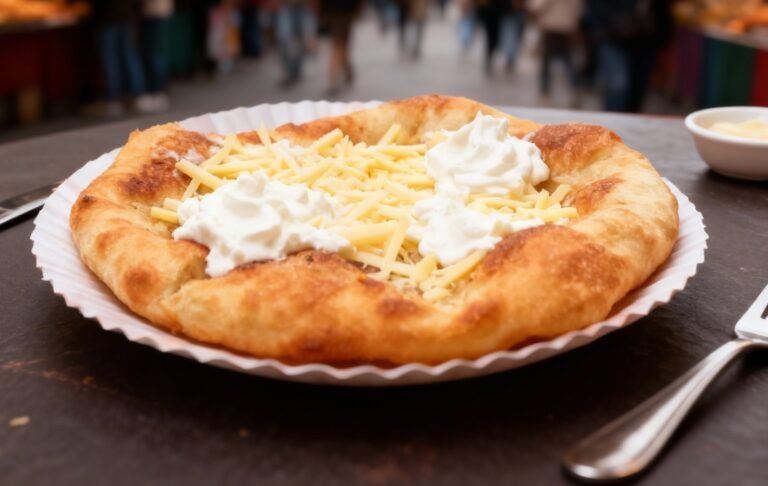
Few pleasures feel more Budapest than tearing into a blistered disk of deep‑fried dough, sour cream pooled in the creases, cheese snowing over the top. It’s the festival fix that seduces every newcomer.
Food Safety Note: In summer, dairy toppings like sour cream can spoil quickly if not kept chilled, and frying oil that isn’t refreshed regularly can degrade in quality. Hungarian regulations require vendors to maintain refrigeration and hygienic practices, but experts advise choosing stalls that look clean, handle food properly, and have high turnover to ensure freshness.
What it says about Hungary: Lángos is a folk hero of street food—unpretentious, communal, irresistible. The smart move is to choose high‑turnover vendors who treat oil like an ingredient, not an afterthought. Would you order extra cheese? – From personal experience, the best ever Lángos I had so far, was in Szentendre.
3) Wild Mushroom Foraged Soups (Vadgombás leves)
Autumn arrives and Budapest’s soups darken: porcini, chanterelle, parasol. The aroma is forest‑floor poetry—earthy, buttery, utterly romantic.
Why locals warn: Misidentification kills the mood. Hungary’s NNK (National Public Health Center) reports mushroom poisonings every year, often from foraging without expert verification; not every market dish is guaranteed to use certified mushrooms. Hungary’s long-standing mushroom inspection system—still active at major markets—exists for this reason. Moreover, case summaries from mushroom associations echo the same refrain: know your source, or skip the wild.
What it says about Hungary: The country respects its mushroom lore and the inspectors who stand behind it. The safest indulgence is a restaurant or market vendor who can show certification. Would you dunk your spoon?
4) Unpasteurized Sheep Cheese (Nyers juhsajt)
At farm stalls, this cheese tastes like hillsides—tang, lanolin, herbs gathered by wandering flocks. It’s the postcard flavor of “authentic.”
Why locals warn: Raw-milk cheeses can carry harmful bacteria such as Listeria monocytogenes or Brucella, which are especially dangerous for pregnant people, older adults, and those with weakened immunity. EU and Hungarian regulations require producers to hold permits and follow strict hygiene standards, and official inspections monitor compliance. Experts advise buying only from trusted vendors who can demonstrate proper certification and cold-chain handling.
What it says about Hungary: Budapest’s market culture is fierce and proud—but also increasingly professional. Responsible artisans are happy to show compliance, reflecting a shift toward transparency without losing authenticity.
5) Blood Sausage (Véres hurka)
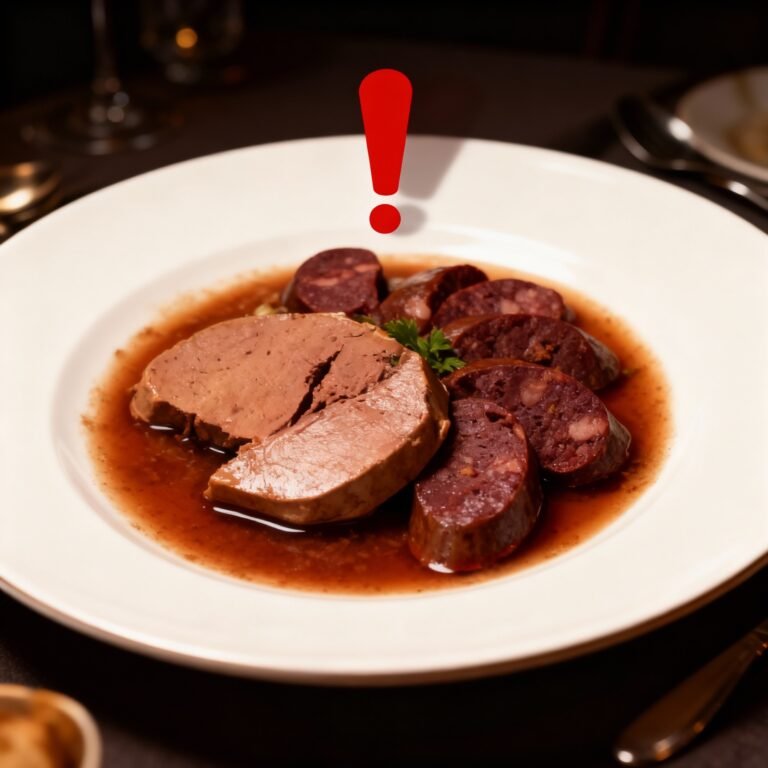
Grilled until the casing crackles, véres hurka is a winter classic—dark, hearty, and rich with pork blood, grains, and spices. It’s a staple of Hungary’s disznótor (pig-slaughter feast) tradition and a favorite at Christmas markets.
Food Safety Note: Hurka has a short shelf life because it’s pre-cooked and contains blood and grains. If not kept chilled, it can spoil quickly. Undercooked blood sausage may harbor harmful bacteria, so it should always be heated thoroughly before eating. Health authorities advise pregnant people and those with weakened immunity to avoid undercooked versions (source). For everyone, the safest bet is to buy from vendors who maintain proper refrigeration and serve it piping hot.
What it says about Hungary: Nose‑to‑tail thrift and flavor drive the national table. The taboo is less about the idea of blood than about respecting perishability. Nothing wasted, everything seasoned. It’s less about shock value and more about thrift, flavor, and winter warmth.
6) Smoked Fish from Danube Vendors (Füstölt hal – Duna árusok)
A whole smoked river fish, still glossy with oils, is pure Central European romance—a riverside snack that tastes of driftwood and dusk.
Why locals warn: River fish can accumulate heavy metals like mercury or lead, and pop‑up riverside vendors aren’t always operating within regulation. Hungarian authorities periodically check markets for illegal fishing and unlicensed sales; it’s wise to buy from vetted fishmongers with traceable sourcing.
What it says about Hungary: The Danube is a myth as much as a river—beautiful, storied, not always simple. Respect the inspectors; choose sellers who can tell you where the fish was caught. Would you peel back the skin?
7) Pickled Green Walnuts (Ecetes zöld dió)
These jars look like alchemy: emerald orbs that, when sliced, stain the air with spice and tannin. A rare delicacy for the curious palate.
Why locals warn: Walnuts are a common allergen, and improper sterilization during home pickling can invite unwanted microbes. Medical resources in Hungary flag nut allergies and advise caution for anyone uncertain of their sensitivities or the producer’s process. Buy from trustworthy artisans or reputable shops.
What it says about Hungary: Preservation is a national art. The secret is clean technique—vinegar, heat, patience. Would you nibble with blue cheese?
8) Goose Liver (Foie Gras) – (Libamáj)
Unctuous, silken, luxurious: Hungarian libamáj is a global calling card served with brioche and fruit compote.
Why locals warn: The controversy here is ethical rather than microbial—concerns around force‑feeding and animal welfare are well‑documented in Hungarian press and culinary debates. Many diners embrace the tradition; others abstain on principle. Either way, the conversation is part of the culture.
What it says about Hungary: Culinary prestige coexists with conscience. Deciding whether to partake is a personal calculus—one best made with full awareness. Would you take a careful bite?
9) Fermented Cabbage Juice (Káposztalé)
The briny tonic drawn from sauerkraut barrels is a folklore panacea: salty, sour, lightly fizzy—a hangover’s stern wake‑up call.
Why locals warn: It can unsettle unaccustomed stomachs, and sodium‑sensitive drinkers may want to limit their pour. Hungarian lifestyle and health outlets highlight both its probiotic charm and its potential downsides, urging moderation.
What it says about Hungary: Fermentation here is both grandmother’s wisdom and modern wellness. Start with a small glass. Would you raise it at dawn?
10) Poppy Seed Pastries (Mákos sütemény)
A slice of mákos bejgli or a poppy‑packed roll is Budapest in winter: sweet, nutty, perfumed with lemon zest.
Why locals warn: Poppy seeds can contain trace opiates; while rare, there have been instances of positive drug screens after heavy consumption. Allergies also apply. Hungarian media has covered these curiosities with a wink—and a reminder not to overdo it before international flights or medical tests.
What it says about Hungary: Even desserts carry stories about trade routes, harvests, and the fine print of modern life. Would you ask for the end piece?
III. Between Tradition and Taboo
Hungary’s culinary identity thrives on a delicate balance: honoring heritage while meeting modern standards. Chefs like Farkas Róbert of Rosenstein keep family recipes alive, adapting them to today’s regulatory expectations. Meanwhile, food writers such as Mautner Zsófi champion home-style flavors while promoting seasonality and responsible sourcing.
At Budapest’s bustling markets—think Fény utcai piac—veteran vendors echo a simple truth: great products sell themselves, but paperwork and hygiene keep them selling. For expats, the takeaway isn’t “avoid tradition,” but rather “enjoy it from those who respect both craft and compliance.” This alignment is how Budapest preserves its soul while safeguarding locals and visitors alike.
Find out exactly what ATS scanners see.
IV. How to Taste Safely
Think of this as your etiquette for edible risk:
- Check permits. For raw‑milk cheeses, wild mushrooms, and river fish, ask vendors about certification or inspection records; reputable sellers will show them. Municipal checks happen—good vendors welcome them.
- Follow the heat. In summer, choose high‑turnover stalls for lángos; fresh oil, chilled toppings. If the dairy looks languid, move on.
- Know your source. With házi pálinka, sample only at licensed distilleries or in private settings where it’s clearly for household consumption—not for sale.
- Mind the vulnerable. Pregnant people, the elderly, and immunocompromised travelers should skip raw‑milk cheeses and blood sausage—and be cautious with fermented brines.
- Ask smart questions. The dataset’s open questions are your checklist: confirm raw‑milk rules at your market, ask festival organizers about vendor vetting, and, if language is a barrier, consider a translator for legal/food‑safety terms.
Where to learn more:
Public‑health advisories from NNK and NÉBIH are clear, practical, and updated; major outlets like Index.hu, Telex, and HelloVidékregularly report on the safety and ethics issues summarized above.
Conclusion
Budapest’s table tells the city’s truth: passionate, imperfect, unforgettable. What we call forbidden is often just fiercely traditional, asking to be approached with humility and care. Taste what locals love, listen when they caution, and you’ll find the city opens—one sip of pálinka, one crackling lángos, one careful bowl of mushroom soup at a time. In that space between craving and caution, you’ll meet the Budapest that residents cherish and expats come to claim.
So, tell us: What’s your forbidden favorite?
Share this with your friends