Why Budapest Is the Ultimate City for Digital Nomads (But Not for the Reasons You Think)
Beyond cheap rent: Unconventional perks like co-working in castles and networking in thermal pools.
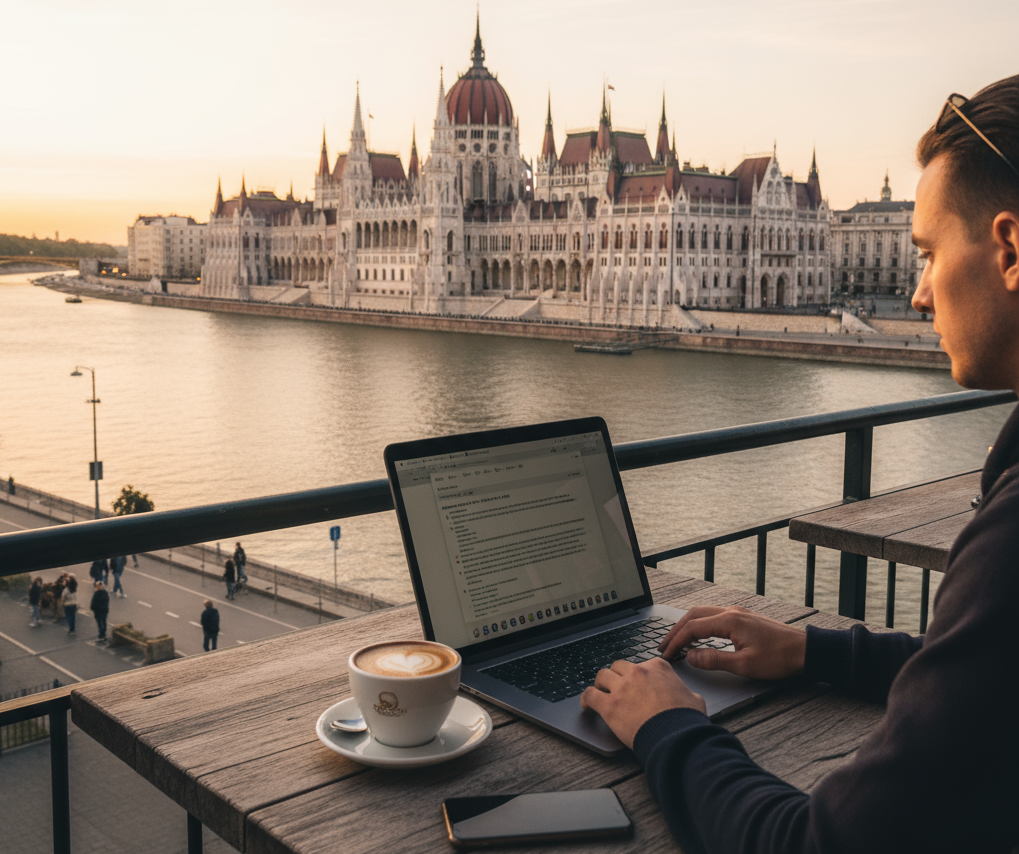
Forget Bali’s beaches and Lisbon’s rooftops—Budapest offers something far more unexpected. While most digital nomad destinations compete on sun-soaked coastlines and Instagram-worthy cafés, Hungary’s capital quietly positions itself as one of Europe’s most compelling remote work hubs. Yes, the affordability matters. But the real story? It’s about brainstorming your next project while soaking in 16th-century thermal baths, or opening your laptop in a coworking space overlooking the Danube from a castle district.
Budapest ranks consistently among the top cities for remote workers, but not just because your euros stretch further here. The city offers a unique blend of Old World grandeur, cutting-edge infrastructure, and a wellness-first lifestyle that’s redefining what it means to work from anywhere. This isn’t just another affordable European city—it’s a cultural experience wrapped in a productivity powerhouse.
Find out exactly what ATS scanners see.
The Foundation: Why Budapest Works for Digital Nomads
Before we dive into the unconventional perks, let’s establish why Budapest digital nomads choose this city in the first place.
Lightning-Fast Internet That Actually Delivers
Nothing kills remote work momentum like buffering video calls. Budapest eliminates that anxiety entirely. The city boasts average internet speeds of 135–150 Mbps on fixed connections, with mobile networks consistently delivering 50+ Mbps. Whether you’re uploading large design files, hosting webinars, or managing real-time collaborations across time zones, Budapest’s digital infrastructure handles it seamlessly.
This isn’t just about raw speed—it’s about reliability. Coffee shops, coworking spaces, and residential areas maintain consistent connectivity, meaning you’re not gambling on whether your Zoom call will survive the next two hours.
Coworking Spaces That Transcend the Generic
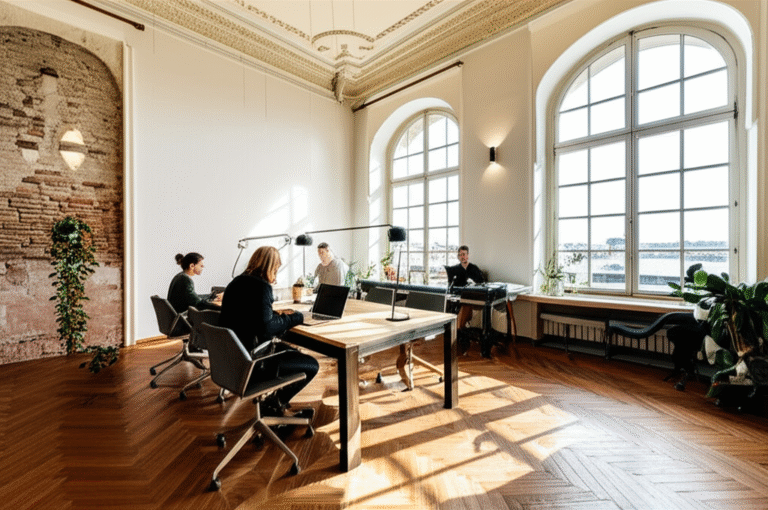
With over 60 coworking spaces scattered across Budapest, the city has moved far beyond sterile hot-desking. These aren’t cookie-cutter WeWork clones. Many occupy historic buildings where high ceilings, original architectural details, and natural light create environments that actually inspire creativity rather than drain it.
Spaces like KAPTÁR and Impact Hub have cultivated genuine communities rather than just offering desk rentals. They host regular networking events, skill-sharing sessions, and industry-specific meetups that transform isolated freelancers into collaborators.
Affordable Excellence, Not Just Cheap Living
Let’s address the elephant in the room: yes, coworking in Budapest and overall living costs are significantly lower than Western European capitals. A monthly budget of €1,200–€2,000 covers comfortable living, including accommodation, coworking membership, meals, and entertainment. Your morning cappuccino costs around €2.50, while a monthly coworking pass runs €140–€200.
But here’s what matters more—this isn’t sacrifice-based affordability. You’re not trading down to save money. You’re accessing high-quality restaurants, world-class cultural institutions, and beautiful accommodations at a fraction of what they’d cost in London, Paris, or Berlin. The value proposition isn’t about living cheaply; it’s about living exceptionally well while building your business or career.
The Visa Advantage: Hungary’s White Card
Hungary’s digital nomad visa Hungary program, known as the White Card, offers a straightforward path to legal residence. The one-year renewable visa requires proof of €3,000 monthly income and allows you to base yourself in Budapest while maintaining location independence. Unlike some European countries where visa ambiguity creates stress, Hungary has created clear pathways for remote workers who want to establish a stable base without bureaucratic nightmares. (Check the Full Guide to Getting your Residence Permit HERE )
The Unconventional Perks That Set Budapest Apart
Now we get to the truly distinctive elements—the reasons Budapest isn’t just another affordable city with good Wi-Fi.
Networking in Thermal Baths (Yes, Really)
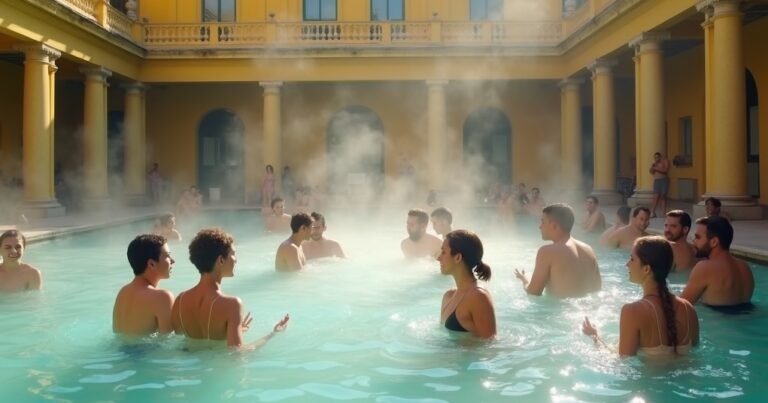
Imagine this: You’re discussing your startup’s growth strategy while lounging in 38°C mineral-rich water under an ornate Ottoman dome. Your collaborator is sketching a new design concept on a waterproof notepad. Nearby, a group of expat developers is organizing a hackathon for next month.
This isn’t fantasy—it’s Tuesday afternoon at Széchenyi or Rudas thermal baths.
Budapest thermal baths have evolved into unexpected hubs for the city’s remote work community. These aren’t just tourist attractions or relaxation spots. They’re where the digital nomad ecosystem actually happens. The informal setting breaks down the stiffness of traditional networking. When you’re both in swimwear, title-dropping and corporate posturing evaporate. Conversations become genuine.
The health benefits extend beyond networking. These thermal waters, fed by natural hot springs, offer legitimate therapeutic effects: stress reduction, improved circulation, muscle relaxation, and better sleep quality. For remote workers battling the physical toll of sedentary screen time, regular thermal bath visits aren’t indulgence—they’re maintenance.
Széchenyi Baths, with its iconic yellow buildings and outdoor pools, has become particularly popular among the nomad crowd. Weekend mornings see a regular influx of laptop workers who’ve learned that the best business relationships often start with a casual conversation in healing waters.
Co-working in Castles and Historic Palaces
When people discuss coworking in Budapest, they often miss the most remarkable aspect: where these spaces actually exist.
The Buda Castle district, perched above the Danube with panoramic city views, houses several boutique coworking options. You’re not just working—you’re working within a UNESCO World Heritage Site. Your lunch break might include a walk along medieval ramparts. Your afternoon video call backdrop features Gothic spires and baroque architecture.
Even more striking are the repurposed luxury venues. The Four Seasons Hotel Gresham Palace, an Art Nouveau masterpiece overlooking the Chain Bridge, has become an unofficial coworking lounge for nomads willing to invest in grandeur. Order a coffee, claim a velvet armchair in the soaring lobby, and work surrounded by Zsolnay ceramics and original stained glass.
This isn’t gimmicky. The environment genuinely affects productivity and creativity. When your workspace occupies a building with centuries of history, when your eyes can rest on the Danube rather than fluorescent cubicle walls, the quality of your thinking changes. Ideas flow differently when you’re not trapped in a generic office park.
Café Culture That Actually Supports Deep Work
Budapest’s café scene deserves its own category. This isn’t about trendy Instagram backdrops—though the city has those too. It’s about spaces designed for sustained creative work.
Magvető Café, attached to a literary publishing house, attracts writers and intellectuals. The atmosphere respects concentration. People read books here. They work on manuscripts. The Wi-Fi is excellent, the coffee is serious, and the unspoken rule is simple: this is a place for getting things done.
Madal Café takes a zen-inspired approach, with minimalist design, exceptional espresso, and a clientele that understands the difference between a coffee shop and a party venue. You’ll see programmers coding for hours, designers sketching concepts, and consultants conducting video meetings in hushed tones.
Many cafés have formalized this relationship with remote workers by creating dedicated coworking zones, offering daily or weekly passes, and hosting evening networking events. The line between café and coworking space has blurred in Budapest, giving nomads endless options for where to set up shop based on mood and project needs.
Cultural Immersion Beyond the Laptop
Working remotely shouldn’t mean living in an expat bubble. Budapest makes cultural immersion effortless and rewarding.
Ruin Bars and Creative Spaces
When the workday ends, Budapest’s famous ruin bars offer networking opportunities disguised as nightlife. Szimpla Kert, the original ruin bar, transforms a decaying building into an eclectic social hub where you’re equally likely to meet a local filmmaker, a visiting entrepreneur, or an architect planning their next project.
These aren’t just bars—they’re creative ecosystems. Many host live music, art exhibitions, film screenings, and startup pitch nights. The casual atmosphere and affordable drinks create natural conversation starters. Check out this Guide on How to Build a Real Social Circle in Budapest Here
Festivals, Meetups, and Community
The Budapest digital nomad community is remarkably active. Regular meetups cover everything from specific tech stacks to language exchanges to outdoor adventures. Startup Safari, an annual event, opens the city’s innovation spaces to the public. Monthly expat mixers help newcomers integrate quickly.
Unlike some cities where the remote work community stays fragmented, Budapest has developed connective tissue. Online groups organize weekend hikes to the Buda Hills, dinner clubs exploring Hungarian cuisine, and professional development workshops. You can be as social or as solitary as your temperament requires.
Geographic Advantages
Budapest’s location in Central Europe transforms it into an ideal base for exploration. Vienna sits 2.5 hours away by train. Bratislava is even closer. Weekend trips to Lake Balaton, Europe’s largest lake, offer swimming and relaxation without airport hassles. Prague, Krakow, and Ljubljana all make easy weekend destinations.
For nomads who want a home base but crave variety, Budapest provides stability without stagnation.
Practical Guide: Making Budapest Work for You
Choosing Your Neighborhood
District V (Belváros): The heart of the city, upscale and central. High concentration of coworking spaces and cafés. Expect to pay premium prices for accommodation but gain ultimate convenience.
District VII (Erzsébetváros): The Jewish Quarter, now the epicenter of Budapest’s creative scene. Filled with ruin bars, specialty coffee shops, and a younger, more alternative vibe. Popular with digital nomads for its energy and walkability.
Buda Castle District: For those prioritizing beauty and tranquility over nightlife. Quieter, more residential, with stunning architecture and the aforementioned historic coworking opportunities. Better suited to nomads who’ve outgrown the party scene.
Budget Reality Check
Accommodation: Expect €800–€1,300 monthly for a furnished apartment or long-term Airbnb in a desirable neighborhood. Deals improve significantly with stays over a month.
Coworking: €140–€200 monthly for full-time access to reputable spaces. Many offer day passes (€15–€25) if you want flexibility.
Transportation: Budapest’s excellent public transit system costs just €24 monthly for unlimited access to metro, tram, and bus networks. Many nomads find they barely need it, as most neighborhoods are highly walkable or bikeable.
Food and Entertainment: €10–15 for quality restaurant meals, €2.50 for coffee, €5–7 for craft beer. You can eat exceptionally well for €400–600 monthly if you balance restaurants with markets and home cooking.
Visa and Legal Considerations
Apply for the White Card at least two months before your intended arrival. You’ll need proof of monthly income (€3,000 or equivalent), health insurance coverage, and clean criminal records. The process is more straightforward than many European visa applications, but bureaucracy still requires patience.
Some nomads initially arrive on tourist visas (90 days visa-free for many nationalities) to test whether Budapest fits before committing to the formal visa process.
Why Budapest Matters Now
As remote work becomes permanent rather than temporary, digital nomads are maturing beyond the “cheap beach” phase. They’re seeking cities that offer more than low costs and decent Wi-Fi—they want culture, community, wellness, and inspiration.
Budapest delivers all of this while maintaining affordability. It’s a city where you can build a life, not just kill time between projects. Where your morning routine might include thermal baths rather than another soulless gym. Where your office view might feature the Danube and centuries-old architecture rather than parking lots.
This isn’t just about where you work—it’s about how you want to live while building your career or business. Budapest offers a compelling answer: with beauty, history, wellness, and community woven seamlessly into your daily existence.
Ready to Make the Move?
Budapest isn’t right for everyone. If you need tropical weather, ocean proximity, or a massive metropolis, look elsewhere. But if you’re drawn to European culture, value quality over quantity, and want a city that supports both productivity and well-being without requiring a Silicon Valley salary, Budapest deserves serious consideration.
The city’s digital nomad community is growing but hasn’t reached saturation. You can still find that perfect café corner, still have meaningful conversations in thermal baths, still feel like you’re discovering something rather than following a worn path.
Ready to trade beach Wi-Fi for castle coworking and thermal bath networking? Budapest awaits—laptop open, thermal water warm, and a community ready to welcome you.
Frequently Asked Questions
Is Budapest safe for digital nomads? Yes, Budapest is very safe with low crime rates compared to other European capitals. The biggest concerns are petty pickpocketing in tourist areas and occasional taxi scams, both easily avoided with basic precautions. The city ranks consistently high on safety indexes for solo travelers and expats.
Do I need to speak Hungarian to live in Budapest? No. English is widely spoken in coworking spaces, cafés, restaurants, and among younger Hungarians. Most digital nomad essentials (banking, accommodation, utilities) can be handled in English. Learning basic Hungarian phrases is appreciated but not necessary for daily life.
What’s the best time of year to visit Budapest as a digital nomad? Spring (April-May) and fall (September-October) offer ideal weather, fewer tourists, and active local culture. Summer (June-August) is hot and crowded but great for outdoor thermal baths. Winter (December-February) is cold but beautiful, with Christmas markets and lower accommodation costs.
How does Budapest’s internet reliability compare to other nomad hubs? Budapest ranks among Europe’s top cities for internet speed and reliability, with average speeds of 135-150 Mbps. It consistently outperforms popular nomad destinations like Lisbon, Barcelona, and even rivals Berlin for connectivity quality.
Can I survive in Budapest on $1,500/month? Yes, comfortably. A realistic monthly budget of €1,200-€1,500 ($1,300-$1,600) covers shared accommodation, coworking, food, transport, and entertainment. Solo apartments push this to €1,800-€2,000. Budapest offers significantly better value than Western European cities.
What’s the digital nomad community like in Budapest? Growing but not oversaturated. The community is diverse, professional, and welcoming, with regular meetups, networking events, and social activities. It’s large enough to find your tribe but small enough to avoid the transient “traveler” vibe of oversaturated nomad destinations.
Do thermal baths really work for networking? Surprisingly, yes. Regular nomads report that the informal atmosphere breaks down traditional networking barriers. Many lasting business relationships and friendships have started with casual conversations in thermal pools. It’s networking without the cringe factor of forced professional events.